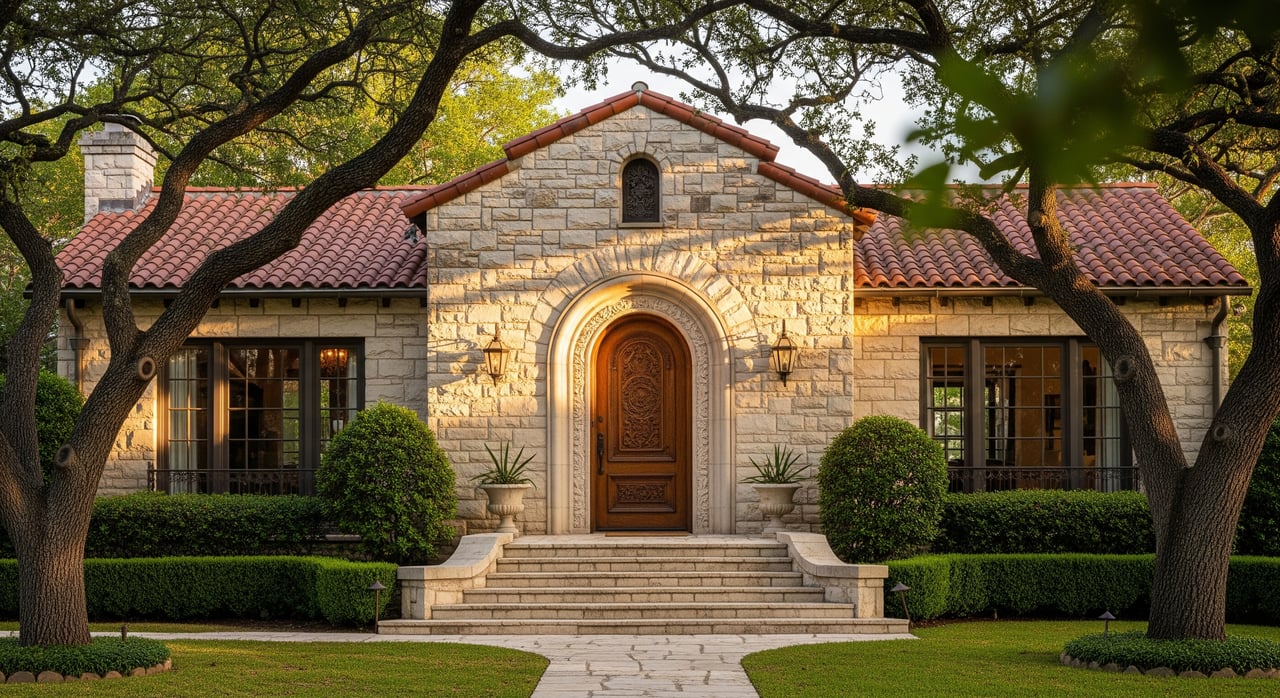
Pricing a home in Alamo Heights can feel tricky. Two houses that look similar from the street can bring very different results once you factor in lot size, age, updates, and even the exact block. If you want a clear, reality-based number, you need a Comparative Market Analysis, also called a CMA. In this guide, you will learn what a CMA is, how it is built for 78209, why micro comps matter here, and how condition and presentation shape your final price. Let’s dive in.
What a CMA is
A CMA is an agent-prepared estimate of your home’s likely market value. It uses recently sold, pending, and active comparable properties. Your agent adjusts for differences like living area, lot size, condition, and special features to arrive at a realistic value range.
A CMA helps you set a competitive list price as a seller or decide what to offer as a buyer. It is a market-facing tool designed for real-time decisions. It is not a formal appraisal. An appraisal is completed by a licensed appraiser for lending or legal purposes and can include different valuation methods. A CMA is built from MLS data and local market knowledge to align with how buyers actually shop and bid.
How a CMA is built in Alamo Heights
Gather the right property facts
Your agent starts with the basics for the subject property. That includes address, effective living area, lot size, year built, bedroom and bath count, parking, pool, and updates. In Alamo Heights, the details often include roof age, systems upgrades, any historic or design overlays, and whether the property is within Alamo Heights ISD attendance zones. Public records from the Bexar County Appraisal District, plus owner disclosures, help confirm key data.
Select micro comps first
Closed sales carry the most weight, followed by pending and then active listings. In 78209, micro comps are crucial. The search typically starts on the same street or contiguous blocks, then expands to 0.25 to 0.5 mile if needed. The time window usually focuses on the most recent 3 to 12 months, with 30 to 90 days preferred in fast conditions. For unique or higher-end homes, you may expand to 6 to 12 months to find enough true comparables.
Your agent will prioritize properties with similar lot size, build era, and remodel level, and will choose comps inside Alamo Heights city limits and within the same school attendance zone whenever possible.
Adjust for differences
No two homes are identical, so your agent adjusts each comp to better reflect your property. Typical categories include sale date, location on the block, lot size, living area, bedrooms and baths, condition and updates, garage, pool, and any permitted additions. Dollar adjustments often handle specific features like a pool. Percentage adjustments help capture broader items like overall condition or presentation. Price per square foot can be a quick screen, but it should be used carefully because it often hides differences in lot, layout, and finish quality.
Account for market timing
If the market is changing, your agent applies a time adjustment based on recent local trends. For example, if the market is rising, a three-month-old sale may be adjusted upward. Agents lean on MLS trend data to guide these changes and place more weight on the most recent and most similar sales.
Reconcile to a value range
After adjusting each comp, your agent reconciles the data into a suggested value range and recommends a pricing strategy. Many sellers pick a list price at or slightly above the lower to middle of that range. Your CMA should clearly note any assumptions or unknowns, such as unverified permits or unseen condition items.
What you receive in the CMA packet
A well-built CMA package includes a summary page with the recommended price range, a comparable grid with adjustments, a map and photos, days on market analysis, short narratives for the most similar sales, and a snapshot of current market indicators like inventory and absorption.
Why micro comps drive value in 78209
Alamo Heights is compact and diverse. You can find historic craftsman homes, mid-century remodels, newer infill construction, and boutique condos on nearby streets. That mix makes very-local comps essential. Lot sizes vary, mature trees and privacy matter, and small distance shifts can change buyer expectations.
Many buyers cite Alamo Heights ISD as a factor in their search. Properties inside the attendance area can trade differently than those outside it. Micro location also matters. Proximity to parks, local retail along Broadway and the surrounding corridors, and neighborhood amenities can create price differences between blocks.
Historic or design overlays, where applicable, can influence the pool of buyers and the scope of allowed renovations. Limited inventory and unique homes also mean that perfect comps might be scarce. In those cases, your agent may expand the time frame or radius while using careful adjustments.
When you must look farther
If your property is a one-of-a-kind estate or sits on an unusually large lot, there may be very few recent local sales. Your agent may expand out to 1 to 2 miles and up to 12 months. In that case, expect a wider range and more discussion about the assumptions behind each adjustment.
Condition and presentation change price
In Alamo Heights, condition and presentation can be decisive. Two homes from the 1920s can sell at very different prices if one has modern electrical, plumbing, HVAC, and insulation while the other still needs major system upgrades. Buyers often discount for perceived risk. Deferred maintenance, such as roof, foundation, or mechanical issues, can push offers lower or trigger credits during negotiations.
Presentation also matters. Homes that show well often get more showings and can sell faster, and sometimes for a higher price. Clean lines, refreshed paint, and professional photos attract attention. Permitted, high-quality work encourages confidence from buyers and appraisers, which reduces friction during the option period.
Adjustment sizes vary by property and market. Condition-related adjustments can range from a small percentage for cosmetic items to higher percentages, sometimes 10 to 15 percent, for significant issues. The right number depends on how local buyers respond to similar homes.
Smart fixes before you list
Focus on visible deferred maintenance first. Address roof, HVAC, plumbing leaks, or foundation items if they are known concerns. Then, choose targeted updates that buyers notice quickly. In this area, kitchen and primary bath refreshes and whole-house modernization tend to draw more interest than purely cosmetic tweaks. Fresh landscaping and a tidy entry often deliver an immediate lift in buyer perception.
Buyer tips for factoring updates
If you plan to renovate after purchase, factor expected costs into your offer. Confirm permit history where relevant and consider any preservation or design constraints. Use the CMA alongside inspection findings to plan the right concessions or credits.
Price strategy for sellers in Alamo Heights
Use your value range to guide list price, then match pricing to your timing and marketing plan. If you want to maximize activity, pricing near the lower to middle of your range often builds momentum and can attract multiple buyers. If your timeline is flexible, you can test a slightly higher list price, but keep an eye on showing traffic and feedback. In a market with limited new listings, rapid responses to fresh comps and buyer patterns are key.
Some sellers prefer a private or pre-market period before hitting the open MLS. This can create early feedback on price and presentation. If that is part of your strategy, plan your staging, photography, and timing with your agent so you adjust quickly based on real interest.
How buyers use a CMA to write a winning offer
Your agent will walk you through the most similar recent sales and explain the adjustments. Together, you will align your offer with the current pace of the market and the property’s condition. Keep in mind any time adjustments if sales are even a few months old. Then, set a plan for inspections and repair requests. A clear look at the CMA helps you determine whether to push price, ask for credits, or adjust contingencies.
CMA vs appraisal in Texas
A CMA is advisory, built by an agent using MLS data and local expertise. It guides list prices and offers. An appraisal is a formal opinion completed by a licensed appraiser, often required by lenders or courts. If you are getting a mortgage, you will likely need a full appraisal. For everyday pricing decisions, a CMA gives you the most practical, market-facing picture.
What to expect when you work with Krista
You get a boutique, concierge-style process grounded in hyper-local knowledge of Alamo Heights and nearby enclaves. Your CMA is built from San Antonio Board of Realtors MLS data, public records from the Bexar County Appraisal District, and block-level research. You also get design-informed staging guidance that improves how your home shows, plus a marketing strategy tailored to how buyers shop in 78209.
For sellers, that means a clear price range, a plan for high-impact preparation, and options for pre-market exposure. For buyers, that means a sharp read on micro comps and a smart offer strategy that reflects condition and timing.
If you are considering a move in Alamo Heights, let’s start with a focused CMA and a clear plan for your goals. Reach out to schedule a conversation with Krista Boazman.
FAQs
How many comps are used in a CMA for Alamo Heights?
- Most CMAs rely on 3 to 6 strong sold comps, with pending and active listings added for context, and quality matters more than quantity.
Why can’t I price by price per square foot in 78209?
- Price per square foot is only a starting point because it ignores condition, lot size, layout, and renovation quality, which can vary a lot in Alamo Heights.
How does a CMA reflect a changing market?
- Your agent applies time adjustments based on recent MLS trend data and places the most weight on the newest, most similar sales.
Do small updates and staging affect price in Alamo Heights?
- Yes, presentation influences buyer behavior and days on market, and targeted updates plus professional photos often improve interest and outcomes.
When do I need a formal appraisal instead of a CMA?
- You typically need an appraisal for mortgage financing or legal and tax matters, while a CMA guides everyday pricing and offer decisions.