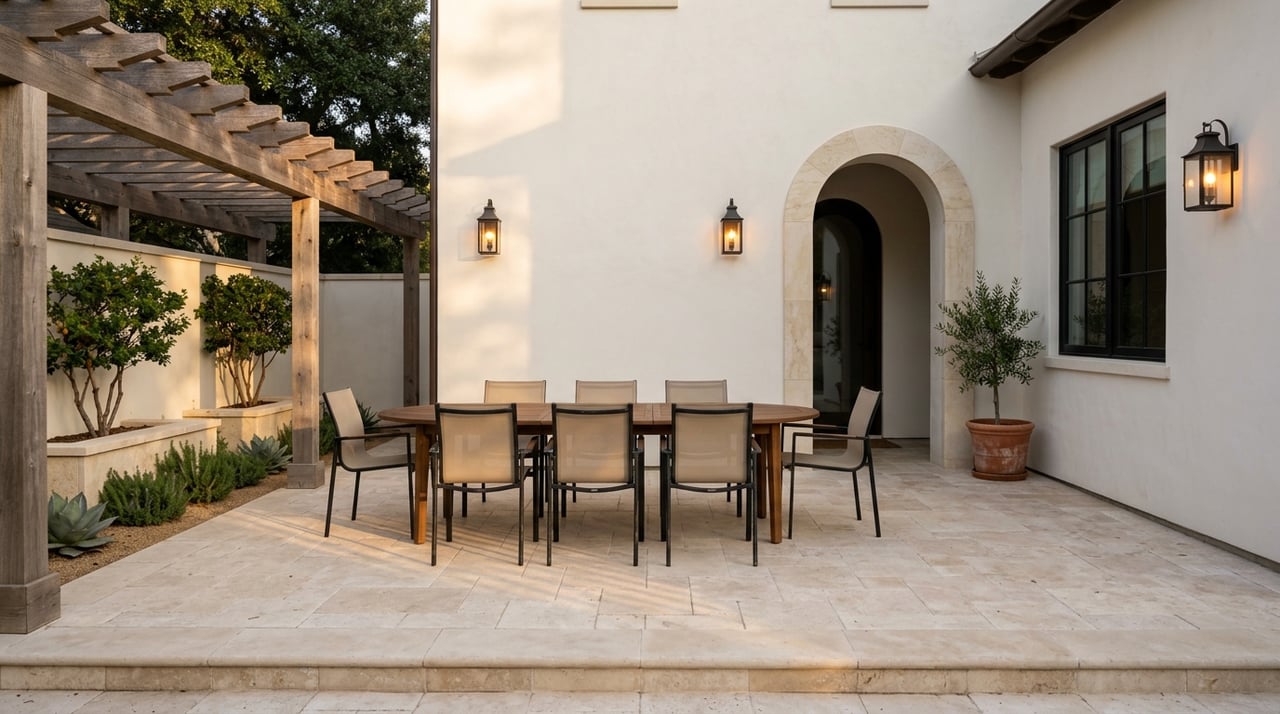
Wondering how to make the most of outdoor space at your Olmos Park home without fighting the heat or the character of the property? You are not alone. In a neighborhood known for generous lots, mature trees, and architecture with lasting presence, the best outdoor updates tend to feel like natural extensions of the home. This guide will walk you through practical outdoor living ideas that fit Olmos Park’s setting, climate, and local rules. Let’s dive in.
Why Outdoor Living Works in Olmos Park
Olmos Park lends itself especially well to outdoor living because the neighborhood was shaped by wide lots, tree canopy, and masonry-focused homes dating largely from the late 1920s through the 1940s. That means patios, porches, and courtyards often feel most successful when they look connected to the house rather than added on as separate features.
The overall setting also supports a more timeless approach. The City of Olmos Park describes the area as tree-canopied and architecturally distinct, so outdoor spaces that respect scale, materials, and shade usually feel more at home here than trend-driven backyard installations.
Start With Shade First
In Olmos Park, shade is not just a luxury. It is what makes an outdoor space usable during much of the year. NOAA climate normals for nearby San Antonio International Airport show average highs climbing above 92 degrees in June and reaching roughly 95 to 96 degrees in July and August.
That heat makes a shade-first plan the smartest place to begin. Deep porches, pergolas, trellises, and canopy trees can help reduce afternoon sun and make patios feel far more comfortable.
Use Trees to Support Comfort
Mature trees already play a major role in Olmos Park’s character, and they can do the same for your yard. SAWS includes live oak, cedar elm, red oak, and bur oak on its low-water plant guidance, along with adapted options like Texas mountain laurel and Mexican buckeye.
These choices can add structure and shade while working with San Antonio’s climate. They also support a more established look that fits the neighborhood’s long-standing tree canopy.
Pay Attention to Microclimates
Not every area of your yard will perform the same way. USDA notes that microclimates matter, and in practice that means a west-facing patio, a shaded area under mature oaks, and a space next to heat-reflective masonry may all need different solutions.
If one corner of your lot gets harsh late-day sun, that may be the place for a pergola or denser planting. A cooler pocket near the house may work better for seating, containers, or a small dining area.
Create Outdoor Rooms, Not Just Yard Space
Because Olmos Park homes often sit on large lots, it can be tempting to think bigger is always better. In reality, smaller outdoor rooms often feel more comfortable, easier to maintain, and more in tune with the architecture.
A well-placed dining patio or courtyard can deliver more day-to-day value than a large open lawn that gets full sun and needs frequent watering. In this neighborhood, definition and livability usually matter more than sheer size.
Courtyard Dining Areas
A courtyard-style dining space can feel especially natural in a masonry-rich setting. Think of it as an outdoor room with clear edges, comfortable shade, and enough space for dining and conversation.
This kind of setup tends to use less irrigation than a lawn-heavy layout, and it can feel more intentional. If you are thinking ahead to resale, that polished, integrated look often reads better than a yard built around short-term trends.
Porch Seating That Gets Used
A porch becomes far more valuable when it is arranged for real use. A pair of seating zones, a small breakfast table, or a simple lounge setup can turn a shaded frontage or side porch into part of your daily routine.
The key is scale. In Olmos Park, outdoor spaces often look best when they support the proportions and materials of the home instead of competing with them.
Choose Water-Wise Planting
San Antonio’s rainfall pattern is another reason to keep outdoor living practical. NOAA reports annual precipitation averaging 32.38 inches, with wetter spring months and much drier July and August periods.
That uneven pattern makes water-wise planting a strong fit for Olmos Park homes. SAWS also notes that established trees and shrubs on its recommended lists generally do not need supplemental irrigation, while home irrigation systems can use 1,500 to 3,000 gallons each time they run.
Low-Water Plants for Patios and Beds
If you want color and texture without high water use, SAWS guidance offers several locally appropriate options. Good candidates include Turk’s cap, lantana, salvia, red yucca, muhly grass, coral honeysuckle, and frogfruit in low-use areas.
These plants can work well in planting pockets around patios, along walkways, or as part of a refreshed front or rear garden bed. Once established, native and adapted plants typically need less irrigation because they are suited to local soil and climate conditions.
Container Gardens for Flexibility
Container groupings are one of the easiest ways to soften patios and porches without committing to a full landscape overhaul. They can define an entry, add seasonal interest, and help tie hardscape areas back to the house.
They are also flexible. If you are preparing your home for sale, containers can be refreshed or repositioned to improve presentation without major construction.
Manicured Xeriscape for a Formal Look
If you prefer a cleaner and more formal appearance, a manicured xeriscape approach may be worth considering. SAWS describes this style as combining low-water turf or ground covers with evergreen shrubs, colorful perennials, and shade trees.
That makes it a useful option if you want a landscape that feels polished while reducing dependence on thirsty lawn areas. For many Olmos Park properties, it offers a nice balance between elegance and practicality.
Use Lighting to Highlight Architecture
Lighting can shape the feel of an outdoor space just as much as furniture or planting. In Olmos Park, a restrained approach makes the most sense.
The city has preserved the look of its historic gaslights even when converting some fixtures to solar, keeping the traditional cap-and-finial design to retain ambiance. That local detail points to a simple design lesson: lighting should support character, not overpower it.
Keep the Lighting Warm and Subtle
Warm, low-profile fixtures often work best here. You might use them to light a front walk, graze masonry, or softly highlight an entry arch or tree trunk.
Bright floodlighting can feel out of step with the neighborhood’s historic atmosphere. A quieter lighting plan usually feels more refined and more consistent with the streetscape.
Consider Rainwater Capture and Turf Alternatives
Outdoor living in Olmos Park does not have to depend on heavy irrigation. SAWS recommends practical strategies that can help landscapes stay attractive with less water.
Rain gardens, for example, can reduce flooding, improve water quality, and create habitat. SAWS also offers landscape coupons and rebates for larger cisterns used to collect rainwater for landscape watering.
Where These Features Can Help
If your yard has drainage issues or areas that dry out quickly in summer, rainwater capture may be worth exploring. A cistern or rain garden can add function without taking away from the look of the property.
In low-use parts of the yard, turf alternatives like frogfruit may also make sense. These choices can reduce maintenance and support a more climate-aware landscape plan.
Know the Local Permit Rules Early
Before you build anything permanent, it is smart to check city requirements first. Olmos Park states that no building or structure may be erected, enlarged, altered, repaired, moved, improved, removed, converted, or demolished without a building permit.
The city also says permits are required for all fences, swimming pools of any type, and front-yard impermeable surfaces. Above-ground pools are prohibited by ordinance.
Projects That May Trigger Review
Homeowners sometimes assume simple outdoor work will not require formal review. In practice, patios, decks, driveways, approaches, and other hardscape improvements may still fall under permit-related review.
The safest approach is to check with the city early if your project affects grading, drainage, fencing, hardscape, or any permanent structure. The city notes that plan review should allow at least three working days, and applications go through My Government Online.
Historic Context Matters Too
If your property is near a designated historic area, design compatibility may matter as well. The City of San Antonio notes that exterior work in local historic districts may require review and approval under Historic Design Guidelines, and Olmos Park Terrace is one such district.
Even if your specific property is not in that district, it is still wise to favor improvements that feel visually compatible and, when possible, reversible. That approach helps protect the home’s architectural integrity.
What Tends to Add the Most Appeal
The outdoor upgrades that usually feel most worthwhile in Olmos Park are the ones that solve everyday needs while fitting the home. Shade, comfortable seating, and low-maintenance planting are often the strongest combination.
For sellers, these updates can also improve presentation. Outdoor spaces that feel integrated, durable, and climate-aware tend to support the overall impression of a well-cared-for property.
If you are preparing to buy or sell in Olmos Park, thoughtful outdoor living choices can influence both enjoyment and marketability. If you want guidance on how a specific property could be positioned, staged, or improved for today’s market, Krista Boazman can help you think through the details with a local, design-minded perspective.
FAQs
What outdoor living features make the most sense for Olmos Park homes?
- Shade-focused features like porches, pergolas, courtyard patios, and low-maintenance planting tend to make the most sense because they fit the heat, wide lots, and architecture common in Olmos Park.
What plants are well suited to outdoor spaces in Olmos Park?
- SAWS guidance supports options like live oak, cedar elm, red oak, bur oak, Turk’s cap, salvia, lantana, red yucca, muhly grass, coral honeysuckle, and frogfruit for locally adapted, lower-water landscapes.
Do you need a permit for a patio or fence in Olmos Park?
- You should check with the city first because Olmos Park requires permits for structures and specifically requires permits for all fences, pools of any type, and front-yard impermeable surfaces.
Are above-ground pools allowed in Olmos Park?
- No. The city states that above-ground pools are prohibited by ordinance.
Why is water-wise landscaping important for Olmos Park yards?
- San Antonio has very hot summers and uneven rainfall, and SAWS notes that irrigation systems can use 1,500 to 3,000 gallons each time they run, so water-wise design can reduce maintenance and water use.
How can outdoor updates help when selling an Olmos Park home?
- Outdoor updates can help when they feel integrated with the house, reflect the neighborhood’s character, and create usable shaded living space that looks polished and easy to maintain.