Looking for an in-town neighborhood that feels like a park? In Olmos Park, you get classic 1920s architecture, shaded streets and a close-knit commercial strip that makes errands and coffee runs feel effortless. If you want a refined lifestyle with real privacy, all just a few miles from downtown San Antonio, this guide will help you picture daily life here. You will learn how the area’s design came to be, where locals head for green space, and the small businesses that give the enclave its charm. Let’s dive in.
Where Olmos Park fits in San Antonio
Olmos Park is an incorporated city entirely surrounded by San Antonio, about 4 miles north of downtown. You are in a true enclave with your own city services, municipal court, and local ordinances handled by Olmos Park City Hall. The city’s independent police and fire departments add peace of mind, and the Fire Department holds an ISO Class 1 Public Protection Classification, effective June 1, 2023, which is the highest possible rating. That designation can be a positive factor for home insurance, so it is worth asking your insurer about address-specific impacts.
- Learn more about the city’s setting and size on the Olmos Park Wikipedia page.
- Explore city services and fire protection details on the City of Olmos Park website.
Architecture with 1920s roots
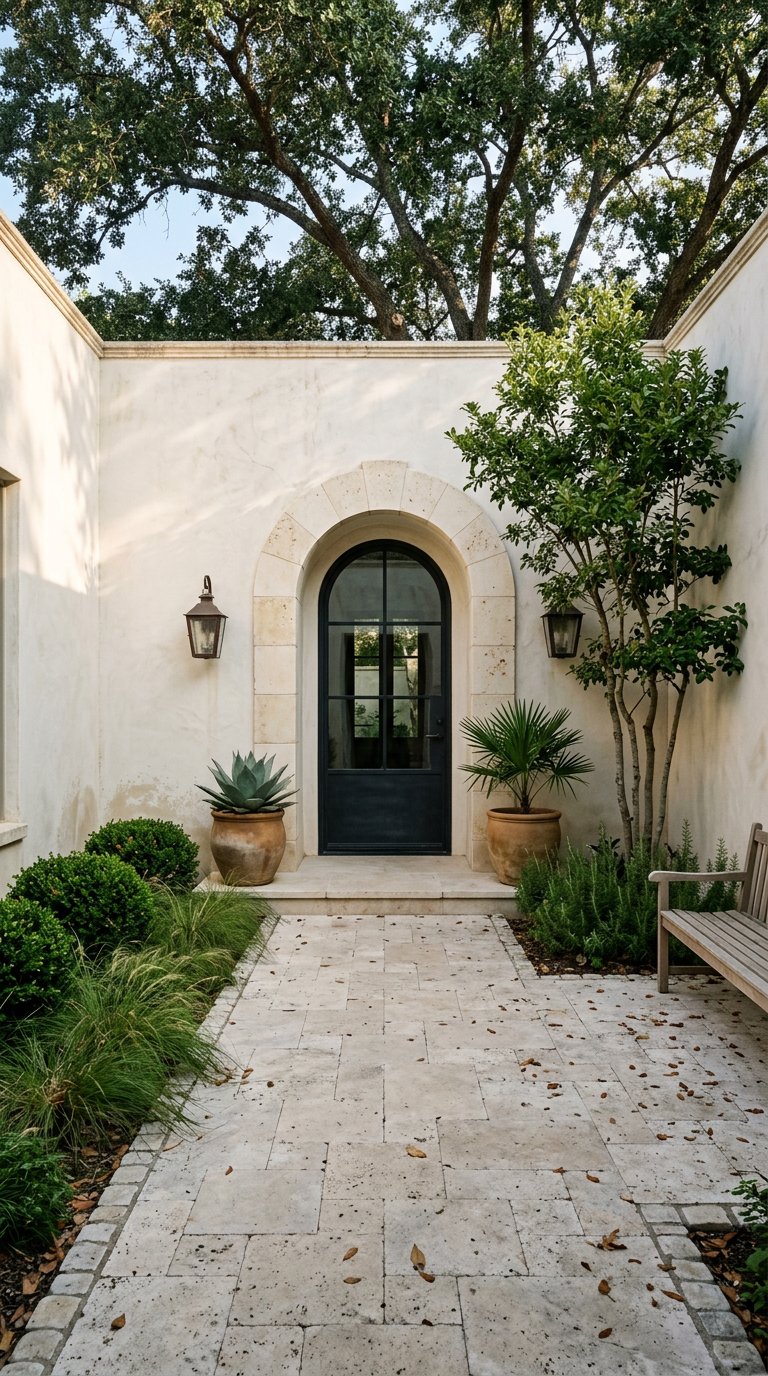
Olmos Park was laid out in the 1920s by developer H. C. Thorman as a planned residential suburb that followed the land’s natural topography. Early design standards encouraged masonry construction and set a tone of quality that still defines the neighborhood. As you drive or walk the curving streets, you see Spanish Colonial and Mediterranean Revival homes, English and Tudor cottages, Colonial Revival designs, and substantial masonry bungalows and estates.
A nearby San Antonio historic district, Olmos Park Terrace, shares the same era and some architectural DNA, known for its English stone cottages and early concrete veneer construction. While it is a separate neighborhood, it helps illustrate the broader 1920s aesthetic you find throughout this part of town.
- Read about Thorman’s plan and the city’s early development in the Texas State Historical Association’s handbook.
- See the City of San Antonio’s overview of the Olmos Park Terrace Historic District for context on the period’s styles and materials.
Signature home details to look for
You will spot red tile roofs, arched doorways, wrought iron accents and thick stucco or stone walls that feel timeless. Many older Mediterranean and Spanish-inspired homes are organized around internal courtyards that bring in light and create private outdoor rooms. Local architects have long emphasized the area’s live oaks, which frame entries and soften the streetscape. The craftsmanship and materials give the neighborhood a sense of permanence.
- For a design perspective that highlights courtyards and canopy, see this Dwell feature on an Olmos Park residence by Lake Flato Architects.
Streetscape and lots
Lots tend to be larger than typical urban infill, and the mature oak canopy is a defining feature. The street layout curves with the land, which makes drives and strolls feel calm and residential. Pocket greens and small gathering spots, including Alameda Circle, add to the park-like character that sets Olmos Park apart.
Green spaces and daily routines
Olmos Basin Park sits just next door, offering a shady green corridor with paved and dirt trails. Locals use the paths for quick morning walks, longer jogs, and even casual mountain bike laps on the singletrack. The basin is part of the city’s flood-control system along Olmos Creek, so trail conditions and ecology can change after heavy rains.
If you want more destinations within minutes, Brackenridge Park, the San Antonio Zoo and the San Antonio Botanical Garden are a short drive away. On weekends, many residents extend their run or bike into the Brackenridge and Quarry areas to mix in longer loops.
- Get a feel for the route options on the Olmos Basin Greenway Trail page from TrailLink.
- For trail context and conditions after storms, see the San Antonio Report’s piece on the basin’s hidden dirt trails.
Morning routines that start outside
Start with a coffee, then take a 30 to 45 minute loop on the shaded paved path that traces the basin. If you prefer a faster pace, pick up the greenway segments for a steady jog. The trails are easy to access, and the tree cover makes early outdoor time comfortable most of the year.
- The San Antonio Express-News includes Olmos Perk among the city’s notable coffee shops, which makes it a natural pre-walk stop.
Evenings and weekends
As the sun drops, you can wind down with a quiet stroll beneath the live oaks or meet neighbors near Alameda Circle. On weekends, many residents branch into nearby districts for dining and special events. A MySA neighborhood feature captures the area’s beloved, easy-going feel and the way residents enjoy simple moments close to home.
- Explore that local perspective in MySA’s Olmos Park community writeup.
Local flavor on McCullough Avenue
McCullough Avenue is Olmos Park’s commercial spine, lined with cafés, boutiques and everyday services. A small pocket known as The Yard clusters food and retail options and has hosted weekly food events and a neighborhood farmers market, which gives the corridor a village vibe on weekends.
- See The Yard’s location and overview.
A few representative stops help you picture the scene:
Coffee and breakfast: Olmos Perk is a local favorite for espresso, light bites and an easy morning meet-up.
Casual dinner: Volare is a longstanding neighborhood Italian spot for pasta and pizza nights.
Boutiques: Julian Gold’s historic presence on McCullough signals the corridor’s long-running retail roots, and you will find home and design shops nearby for quick inspiration or gifting.
Chef-driven energy: The Yard has supported inventive small-format concepts and pop-ups over the years, and nearby Alamo Heights and the Pearl give you even more destination dining a short drive away.
Read about Olmos Perk in the Express-News coffee roundup.
Get a taste of Volare through the Express-News 52 Weeks of Pizza feature.
Learn about Julian Gold’s history on the retailer’s site.
See an example of chef-driven creativity with Mixtli’s profile.
Practical considerations for buyers
Because Olmos Park is small, reported market statistics can swing from month to month. A handful of sales can move a median quickly, which makes single-month snapshots unreliable. You will want to pair MLS-level comps with a close read of a property’s condition and location on the block to understand value.
Two factors are especially helpful to evaluate during due diligence:
- Insurance and safety: The city’s ISO Class 1 fire protection rating may be favorable in underwriting. Ask your insurance professional how it applies to a specific address.
- Age and maintenance: Many homes date to the 1920s through the 1940s, often with masonry or stone facades. Your inspection list should include foundation performance, drainage, roof age and termite history. Older masonry or stone cottages can require specialized care.
If a property is near the basin or a low-lying area, review FEMA flood maps and ask about storm history. The basin is designed for stormwater management, and debris can accumulate after heavy weather. For any remodel or addition, remember that Olmos Park is its own municipality. You will verify permits and review local ordinances with the city’s building and planning office.
- Confirm the city’s small size and enclave status on Wikipedia.
- Review the city’s ISO Class 1 announcement and municipal contacts.
- Explore the San Antonio Historic Preservation resource on nearby Olmos Park Terrace to understand period construction.
- Read the San Antonio Report’s overview of basin trails and flood context.
- Check permitting and ordinances with the City of Olmos Park.
Olmos Park vs. Olmos Park Terrace
It is easy to mix up the names, but they are different places. Olmos Park is an incorporated city and enclave with its own government. Olmos Park Terrace is a nearby San Antonio historic district developed in the same era with related architectural character. Both offer tree-lined streets and 1920s charm, yet only Olmos Park has independent city services.
- Clarify the city’s identity on Wikipedia’s Olmos Park page.
- See the City of San Antonio’s profile of the Olmos Park Terrace Historic District.
Getting around with ease
From Olmos Park, you can typically reach downtown or the airport in minutes, thanks to the central location roughly 4 miles north of the city core. Many daily errands are convenient by car, while McCullough Avenue and The Yard make quick café runs and boutique stops simple. VIA’s Route 5 runs along McCullough for public transit access, and the basin trails give you a shaded path for short walks.
Ready to explore homes in Olmos Park?
If you are drawn to mature trees, classic architecture and a refined, small-city setting near everything, Olmos Park should be on your shortlist. You will want a local guide who understands the area’s 1920s construction, city processes and quiet pocket streets that hold long-term value. For a discreet conversation about on-market and private opportunities, reach out to concierge real estate advisor Krista Boazman. Let’s connect.
FAQs
What makes Olmos Park different from nearby San Antonio neighborhoods?
- Olmos Park is an incorporated city with its own government, police and fire services, plus a distinct 1920s street plan and architecture that emphasize masonry homes, curving streets and a mature oak canopy.
How close is Olmos Park to downtown San Antonio and the airport?
- You are about 4 miles north of downtown, which typically translates to a short drive to both the central business district and San Antonio International Airport.
What architectural styles will I find in Olmos Park?
- You will see Spanish Colonial and Mediterranean Revival, English and Tudor cottages, Colonial Revival homes and substantial masonry bungalows and estates, many from the 1920s to 1940s.
Where do residents go for parks, trails and outdoor time?
- Olmos Basin Park offers paved and dirt trails for walks, runs and casual rides, and nearby Brackenridge Park, the Zoo and the Botanical Garden add easy weekend destinations.
Which public schools serve Olmos Park addresses?
- Properties in Olmos Park are served by Alamo Heights ISD; always verify a specific address to confirm school assignment.
What buyer due diligence is most important for older homes here?
- Ask inspectors to focus on foundation and drainage, roof age and termite history, and review any specialized maintenance needs for older masonry or stone construction.
Is flood risk a concern near Olmos Basin?
- The basin is part of a flood-control system, so it is smart to check FEMA flood maps and ask about storm history and debris patterns for properties close to low-lying corridors.