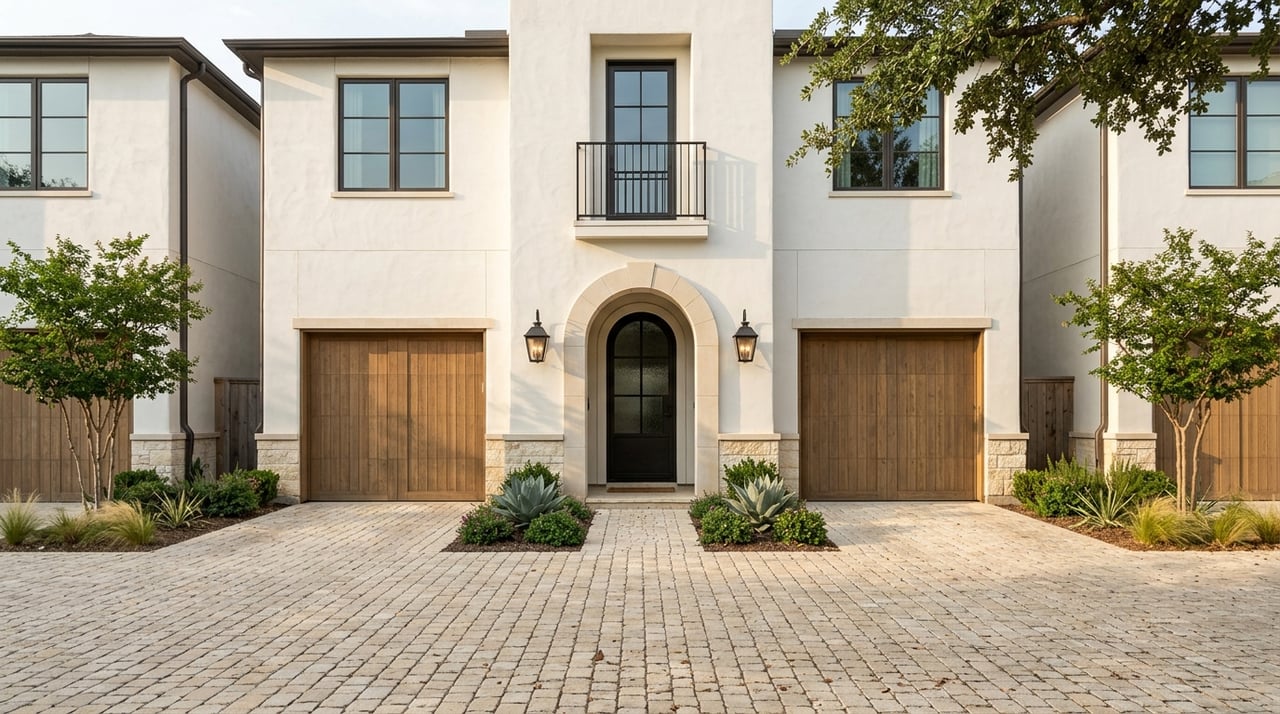
Wondering whether a low-maintenance home inside Loop 1604 could make your life easier? If you want less yard work, fewer exterior chores, and a more predictable upkeep routine, lock-and-leave living may be worth a closer look. In North San Antonio, that often means condos, townhomes, or smaller-lot homes with HOA-managed exterior responsibilities. Here’s how this lifestyle works, what to compare before you buy, and what to watch for in the 1604 corridor.
What lock-and-leave means inside 1604
In practical terms, lock-and-leave living usually means lower day-to-day maintenance. That can be especially appealing if you travel often, split time between homes, or simply want a property that requires less exterior work.
In the San Antonio market, this category often includes condos, townhomes, and smaller-lot communities with HOA support. Fannie Mae describes condos as a lower-maintenance option, but the exact maintenance setup depends on the legal structure and community documents.
For buyers looking inside Loop 1604, the north-side corridor is a useful frame of reference. City materials regularly point to activity and investment near Loop 1604 and Highway 281, including the Encino area and Loop 1604 and I-10 near La Cantera, which helps explain why this part of San Antonio continues to attract interest.
Compare condos, townhomes, and more
Not all lock-and-leave properties work the same way. A home may look low-maintenance from the outside, but your actual responsibilities can vary quite a bit.
Condos
Condos are often the most clearly defined lock-and-leave option. Under Texas condominium law, associations generally maintain common elements, while owners maintain their own units unless the governing documents say otherwise.
That distinction matters when you are budgeting and reviewing risk. The same law also treats association assessments as the owner’s personal obligation and secures them by a lien on the unit, so dues and special assessments deserve careful review.
Townhomes
Townhomes are a building style, not always a legal category. Fannie Mae notes that townhomes may share walls or even be detached, so you should not assume the maintenance terms based on appearance alone.
Instead, focus on three questions: Who owns the lot? Who insures the structure? Who handles the roof, exterior, and landscaping? Those answers shape whether a townhome truly fits a lock-and-leave lifestyle.
Garden homes and patio homes
Garden homes and patio homes are often marketed as easier-to-maintain options because they usually sit on smaller lots with less yard work. That appeal is real, but the actual division of responsibility still comes down to the HOA documents.
Fannie Mae’s home maintenance guidance supports the general trade-off: less exterior upkeep can mean more reliance on the association’s rules, fees, and long-term planning.
Why this lifestyle fits North San Antonio
Inside 1604, many buyers are drawn to homes that offer convenience without giving up a strong location. City planning materials place Stone Oak, Sonterra Boulevard, La Cantera Parkway, and Loop 1604 within the same broader north-side growth picture.
That makes lock-and-leave ownership especially appealing if you want easier maintenance near major corridors, retail, dining, and everyday services. It can also suit downsizers, busy professionals, and frequent travelers who value a simpler ownership experience.
There is also a market timing factor to keep in mind. According to the research provided, the San Antonio metro market entered 2025 near balance, with a median price around $306,000 and inventory just over five months. In a more balanced market, buyers often have more room to compare HOA structure, fees, and community condition before moving forward.
What to review before you buy
If you are considering a condo, townhome, or similar community inside 1604, due diligence is everything. You are not just buying the home itself. You are also buying into the association’s rules, finances, and maintenance model.
Read the HOA documents carefully
The Texas State Law Library explains that sellers must disclose HOA membership and fees, and buyers can request governing documents and a resale certificate. It also notes that no state agency oversees property owners’ associations, so most issues are addressed through the board, manager, title company, or private legal help.
That means your document review should be thorough. Pay close attention to what the association covers, what the owner covers, and how rule enforcement works.
Budget for dues and possible assessments
One of the biggest mistakes buyers make is focusing only on the mortgage payment. The Consumer Financial Protection Bureau notes that condo or HOA fees are usually paid separately from your mortgage, so you need to plan for both.
Those dues can vary widely. The same source notes they may range from a few hundred dollars to more than $1,000 per month, depending on the property and amenities.
Check reserves and financial health
Monthly dues tell only part of the story. Fannie Mae advises buyers to review the HOA’s financial statements and reserve fund because reserves help pay for major future costs like roof work and other large repairs.
Strong reserves can help reduce the likelihood of surprise assessments. Weak reserves may signal future cost pressure, especially in communities with aging roofs, paving, or exterior systems.
Understand insurance responsibilities
Insurance can be one of the most confusing parts of lock-and-leave ownership. Fannie Mae explains that the association may not cover all of your homeowners insurance needs, even in a condo setting.
In many communities, the master policy covers common areas or shared structures, while you still need a personal policy for your unit and belongings. Before you buy, ask exactly what the master policy covers and what you will need to insure separately.
The condo resale package matters
For condo purchases in Texas, the resale package is a major due-diligence item. State law requires the seller to provide documents such as the declaration, bylaws, rules, and a resale certificate, and that certificate may include the operating budget, special assessments, capital expenditures, code-violation notices, and transfer fees.
Texas law also allows an association to charge fees for preparing that package, in some cases up to $375 plus smaller update fees. The point is simple: do not treat the packet like routine paperwork. It can reveal important information about the financial and operational health of the community.
Questions to ask before choosing a property
If you want a true lock-and-leave setup, ask specific questions early. General marketing language is not enough.
Here are some of the most useful questions to raise:
- What exactly does the HOA cover?
- Is the property fee simple or condo-form?
- Who maintains the roof, exterior walls, and landscaping?
- Are there rental caps or short-term rental restrictions?
- What are the pet, parking, and guest rules?
- How healthy are the reserve funds?
- Are any special assessments pending?
- Is the project warrantable for your loan type?
Fannie Mae recommends asking about the project’s physical condition, financial stability, debt, and warrantability. Those details can affect not just your ownership experience, but also financing and resale.
How to decide if lock-and-leave is right for you
This lifestyle can be a great fit if you value convenience, travel frequently, or want to reduce exterior chores. It can also work well if you prefer a more structured ownership model with shared maintenance and a clearer plan for common-area upkeep.
At the same time, lock-and-leave living is rarely hands-off in every respect. You are trading some independence for shared rules, shared costs, and association oversight. The best choice is the one that matches how you actually live, travel, and budget.
If you are weighing condos, townhomes, or other low-maintenance options inside 1604, having a local guide can make the comparison process much clearer. Krista Boazman offers thoughtful, neighborhood-level guidance for buyers who want a polished, informed approach to North San Antonio real estate.
FAQs
What does lock-and-leave living mean in San Antonio?
- In San Antonio, lock-and-leave living usually refers to lower-maintenance ownership, often in condos, townhomes, or HOA communities where some exterior care is limited or handled by the association.
What should buyers review before buying a condo inside Loop 1604?
- Buyers should review the declaration, bylaws, association rules, resale certificate, monthly dues, reserve funding, insurance setup, and any special assessments or transfer fees.
How are townhomes different from condos in North San Antonio?
- Townhomes are a building style, while condos are a legal form of ownership, so maintenance duties, insurance responsibilities, and financing details can differ even if the homes look similar.
Are HOA fees included in a mortgage payment for San Antonio condos?
- No. HOA or condo fees are usually separate from the mortgage payment, so you should budget for both costs.
Why do HOA reserves matter for lock-and-leave homes?
- Reserve funds help cover major future repairs like roof work or other large projects, which can reduce the risk of unexpected special assessments.
Is lock-and-leave living a good fit for frequent travelers in the 1604 corridor?
- It can be, because many buyers choose this lifestyle for reduced exterior upkeep and a more predictable maintenance structure, especially in north-side communities near major corridors.