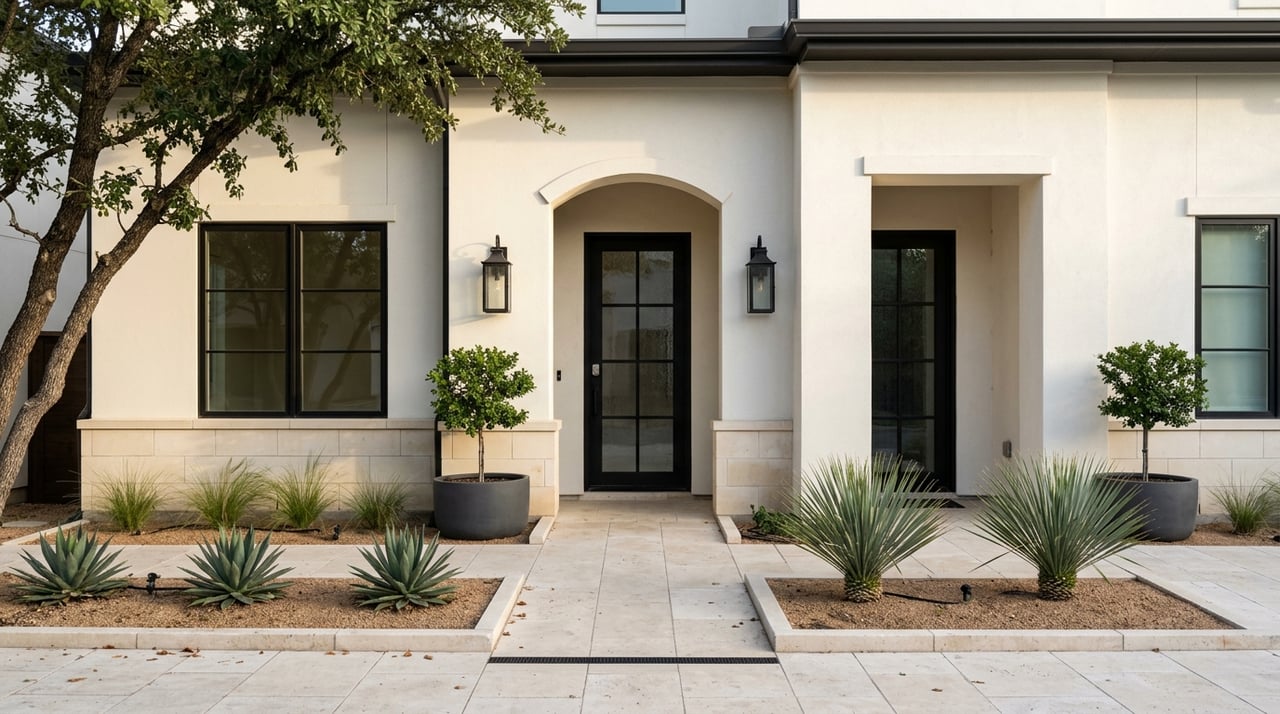
Wondering where you can find a home in San Antonio that feels easier to live in day to day? If you want less yard work, more shared upkeep, and quicker access to the places you use most, communities inside Loop 1604 deserve a closer look. This guide breaks down what low-maintenance living really means in this part of San Antonio, what home styles fit the lifestyle, and what to review before you buy. Let’s dive in.
Why inside 1604 stands out
Inside 1604 is not one single neighborhood. It is more accurate to think of it as a broad North Central San Antonio corridor shaped by major access routes, established communities, and close-in daily conveniences.
That distinction matters because low-maintenance living here is often about location as much as housing type. Loop 1604 is San Antonio’s 95.6-mile outer loop, and major north and northwest mobility projects continue to shape how people move through the area. For many buyers, being inside that loop can mean simpler routines and less time spent driving across town.
Communities in this corridor often sit near key access points. Inwood identifies itself as inside Loop 1604 in north central San Antonio, while Indian Hollow notes access from Wurzbach Parkway and US 281 with connections to Loop 1604 and Loop 410. In practical terms, that kind of positioning can support a more convenient, lock-and-leave lifestyle.
The area also benefits from major everyday anchors. The Shops at La Cantera frames the district around living, dining, working, and relaxing, and UTSA’s Main Campus adds another important destination in the corridor. When your errands, dining options, and regular stops are clustered nearby, homeownership can feel more manageable.
What low-maintenance living means
Low-maintenance living does not always mean the same thing from one community to the next. In most cases, it means you take care of less private exterior space while an association or shared community structure handles more of the visible upkeep.
That can include common grounds, gates, pools, courts, private streets, and landscaping in shared areas. It can also include architectural standards and approval processes that help manage how the community looks and functions over time.
The trade-off is usually straightforward. You may have fewer personal maintenance tasks, but you also need to understand the rules, dues, and responsibilities tied to the property. That is why the best fit depends on both your lifestyle and your comfort with community governance.
Home types that support this lifestyle
Condos
Condominiums are one of the clearest examples of shared-maintenance living. Under Texas Property Code Chapter 82, condos are structured around individual unit ownership plus shared common elements, which helps explain why exterior and common-area responsibilities are often more centralized.
For you as a buyer, that often translates into less direct responsibility for building exteriors and shared spaces. If your goal is a true lock-and-leave setup, condos are usually one of the first categories worth exploring.
Townhomes and zero-lot-line homes
Townhomes and zero-lot-line homes can offer a similar ease-of-living benefit while still feeling more like fee-simple ownership. San Antonio’s Unified Development Code specifically addresses these formats and requires townhouse subdivisions to provide for common ownership and maintenance of community facilities such as open space, parking, and access areas.
The same code also requires zero-lot-line subdivisions to preserve a five-foot maintenance easement through deed restrictions. That local framework helps explain why these homes often come with smaller yards and a more manageable exterior footprint.
For many buyers, this category hits a sweet spot. You may get the feel of a traditional home with less yard work and more structured upkeep around shared spaces.
Detached homes in HOA communities
Low-maintenance living inside 1604 is not limited to attached homes. Some detached homes in master-planned neighborhoods also support a lower-maintenance lifestyle through layered HOA or POA structures.
Inwood is a strong local example. It is a master-planned community inside Loop 1604 with staffed private gate access, lighted tennis courts, an Olympic-sized pool, and miles of streets for walking or jogging. In a setting like this, part of the appeal is that shared amenities and common areas are maintained through the community structure.
Stone Oak shows how this can become more layered. The Stone Oak POA oversees the community’s master plan, while neighborhood-level HOAs may manage additional responsibilities within specific sections. That means two homes in the same broader area may not have the same dues, services, or rules.
Local communities that illustrate the pattern
Inwood
Inwood helps show how low-maintenance living can extend beyond condos and townhomes. The community pairs a gated setting with shared amenities and common infrastructure, which can reduce how much of your lifestyle depends on maintaining a large private outdoor space.
If you want an established North Central location with organized amenities, this is the kind of community worth considering. The appeal is not just the home itself, but the way the neighborhood is set up to support daily convenience.
Stone Oak and Sonterra-area options
Stone Oak is one of the clearest examples of a layered community structure in North San Antonio. The master POA maintains common areas outside individual neighborhoods, while separate neighborhood HOAs may oversee more specific rules and maintenance.
That structure matters because it can shape both your monthly costs and your daily experience. It also means due diligence is especially important before you buy.
The Seventh at Sonterra is another helpful example. It is described as a Mediterranean-style townhome community in the heart of the Stone Oak area, with a private golf-cart path to the 7th fairway of Sonterra Country Club. It reflects the kind of townhome setting where private-yard responsibility may be reduced in exchange for shared access and a more lock-and-leave feel.
Champions Ridge
Champions Ridge shows the smaller-lot side of detached living within a planned community. The HOA states that the neighborhood is part of Stone Oak and includes 148 Estate and 62 Villas home sites, with the HOA owning and maintaining common properties and facilities.
The broader Stone Oak structure also provides maintenance of common grounds, including landscaping, irrigation, and monuments. For buyers who want a detached home but still appreciate shared upkeep around the neighborhood, this model can be especially appealing.
Everyday benefits of living inside 1604
One of the biggest advantages of this corridor is convenience. Destinations tied to shopping, dining, work, and campus access are concentrated around places like La Cantera, UTSA, Stone Oak, and Sonterra.
That concentration can make everyday routines feel easier. If your home is closer to the places you visit often, you may spend less time coordinating long drives and more time enjoying your home and neighborhood.
There is also a lifestyle benefit to communities designed around shared amenities. Pools, courts, gates, walking streets, and maintained common areas can create a polished, structured environment without asking you to manage every detail yourself.
What to watch for before you buy
HOA dues can vary widely
A low-maintenance lifestyle is never one-size-fits-all. Some communities may have a master-association assessment plus a neighborhood HOA assessment, while others may include additional memberships or sub-associations.
Stone Oak’s layered structure is a good example of why you need to look beyond the headline monthly number. Inwood’s separate Swim Club HOA is another reminder that community governance can include more than one moving part.
Rules may affect daily flexibility
Many low-maintenance communities come with more active governance. Depending on the property type and neighborhood, that can include rules related to exterior changes, parking, gates, pets, or other visible aspects of property use.
That does not make these communities less appealing. It simply means you should confirm what is allowed, what requires approval, and what responsibilities still belong to you as the owner.
Traffic is still part of the picture
Convenience is a major reason buyers look inside 1604, but traffic and construction remain part of the reality. TxDOT lists active improvements on Loop 1604, SH 151 between Loop 1604 and I-410, and SH 16 between I-410 and Loop 1604.
TxDOT also notes that SH 16 between I-410 and Loop 1604 is among the most congested roads in the region. So while the corridor offers strong access, it is still smart to think through your regular routes and timing.
Documents to review carefully
Before you move forward on any low-maintenance property, review the association documents with care. One especially practical item in Texas is the management certificate.
Texas requires property owners’ associations governed by Chapter 209 to file a management certificate with the county and then electronically file it with TREC through the state HOA portal. The same portal notes similar management-certificate obligations for condo associations under Chapter 82.
For you, this document can help confirm who manages the association and how to contact the right parties. It is a useful starting point when you want to understand how the property is governed.
You should also verify what the association maintains versus what still falls to the owner. That is one of the most important questions in any low-maintenance purchase.
Is inside 1604 right for you?
If your goal is to simplify daily life without giving up access to established North San Antonio locations, inside 1604 offers a strong mix of options. You can find condos, townhomes, zero-lot-line homes, and detached homes in planned communities that all approach low-maintenance living a little differently.
The key is matching the property type and community structure to the way you actually live. Some buyers want the most hands-off ownership possible, while others want a detached home with just enough shared upkeep to make life easier.
A thoughtful search can help you separate communities that merely sound convenient from the ones that truly fit your routine, priorities, and comfort level. If you want help comparing neighborhoods, HOA structures, and low-maintenance home options across North San Antonio, Krista Boazman can help you find the right fit.
FAQs
What does low-maintenance living inside 1604 usually include?
- It usually means less private yard work and more shared responsibility for common grounds, amenities, gates, and other community features, depending on the property and association.
What home types offer low-maintenance living in San Antonio inside Loop 1604?
- Common options include condos, townhomes, zero-lot-line homes, and detached homes in master-planned communities with HOA or POA-maintained common areas.
What should buyers review before purchasing in a low-maintenance San Antonio community?
- Buyers should review association documents carefully, including the management certificate and any rules or details explaining what the association maintains versus what the owner maintains.
Do all Stone Oak communities have the same HOA structure?
- No. The Stone Oak area can include a master POA along with separate neighborhood HOAs, so costs, maintenance coverage, and rules can vary by community.
Is living inside 1604 always easier for commuting in San Antonio?
- Not always. The corridor offers strong access to major destinations, but traffic and active TxDOT improvement projects can still affect your daily routes.