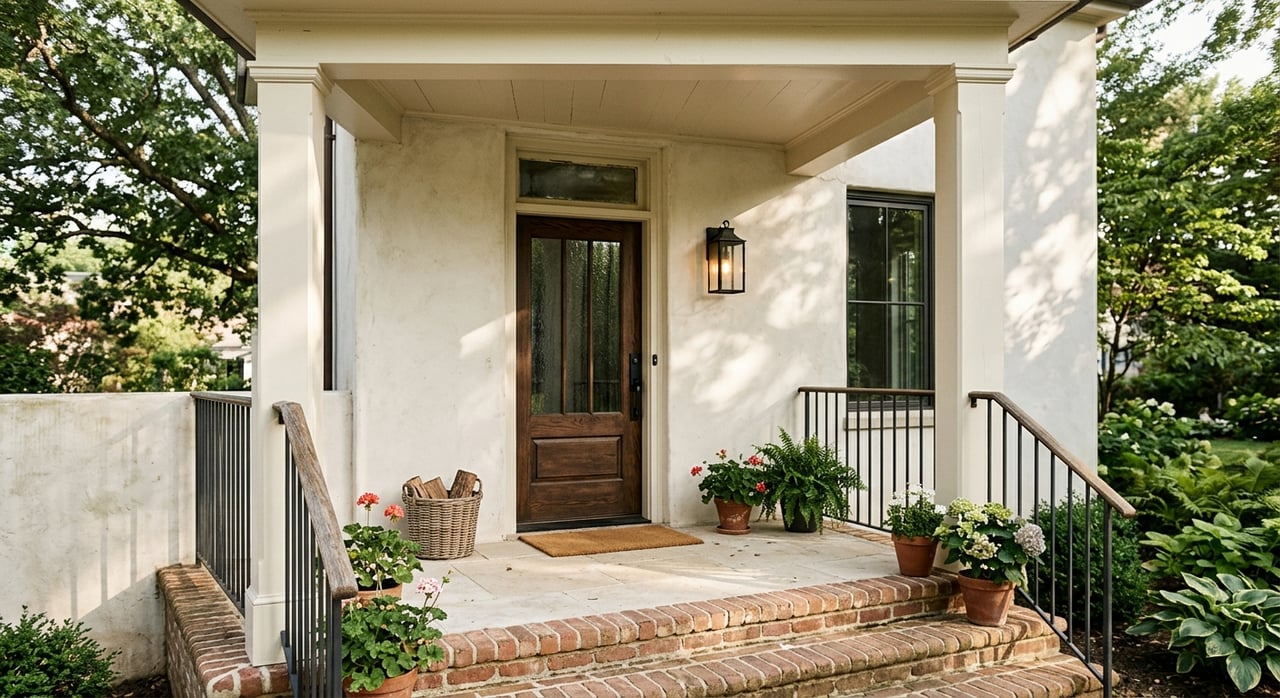
If you own a home in Monte Vista, you already know the appeal is not just inside the walls. It is in the rooflines, porches, windows, fences, sidewalks, and mature streetscape that give the district its unmistakable identity. When you plan updates, the goal is usually not to make your home look new. It is to make it work better while keeping the character that makes Monte Vista special. Let’s dive in.
Why Monte Vista calls for restraint
Monte Vista is a locally designated historic district north of downtown San Antonio. According to the City, the neighborhood developed roughly from 1890 to 1930 and includes a wide mix of Classical Revival, Tudor, Spanish Eclectic, Queen Anne, and Craftsman homes.
That variety is part of the point. Monte Vista does not read as a place of one-style uniformity, but it does have a strong shared character shaped by early-20th-century architecture, layered landscaping, sidewalks, walls, and fences. If you are updating a home here, thoughtful restraint usually matters more than chasing a trend.
What matters most from the street
In Monte Vista, not every change is weighed equally. San Antonio’s preservation guidance places the highest scrutiny on features visible from the public right-of-way.
That means the front façade, porch, roofline, windows, fences, and street-facing landscape usually carry the most weight. Rear areas that are less visible often allow more flexibility, which is one reason many design-minded updates work best when they are placed behind the original house.
Know the review process before work begins
Monte Vista’s historic designation is not just honorary. It is a regulated local overlay, and exterior modifications and repairs generally require review through the Office of Historic Preservation before work starts.
For many projects, you will need a Certificate of Appropriateness. The City notes that interior-only work does not need OHP approval as long as it does not include exterior windows or doors, though a separate permit may still be required.
Some smaller improvements can be approved administratively, while more complex projects may go before HDRC review. The City’s application process is document-driven, so it helps to gather current color photos of all sides of the home, along with plans and material details, before ordering products or scheduling installation.
Start with repair before replacement
One of the clearest themes in San Antonio’s guidelines is simple: repair first. That approach often protects both your home’s character and your budget.
Historic windows, doors, roofing details, masonry, porches, and fences all contribute to how a Monte Vista home reads from the street. Replacing those elements too quickly can flatten the architectural details that make the property distinctive.
In many cases, restored original features can still perform well. The City specifically notes that restored historic windows can be energy efficient and cost effective, especially when paired with full-view interior storm windows.
Windows and doors set the tone
If there is one place where a well-meant update can go off course fast, it is windows. The City’s guidelines say replacement windows should match the historic or existing windows in size, type, configuration, material, form, appearance, and detail.
That includes muntin pattern, profile, and scale. Faux divided lights, along with tinted, reflective, or opaque glass that lacks historic documentation, are discouraged.
Doors deserve the same care. If a door cannot be repaired, the best replacement is one that closely matches the original in size, material, and profile. In a neighborhood like Monte Vista, an entry should feel authentic to the house, not borrowed from a different architectural era.
Roofs and porches carry historic character
Roof shape is not just a technical feature. In a historic district, it is a major part of the architecture.
San Antonio’s guidelines recommend preserving the original roofline, pitch, and overhang, while repairing distinctive roof features and matching sloped roofing materials in kind whenever possible. A new roof may improve function, but if it changes the visible silhouette of the home, it can also change the home’s identity.
Front porches matter for the same reason. They help define the pedestrian scale of the street, and they are often central to the look of the façade. If you are refreshing a porch, details and proportion matter as much as the finish materials.
Additions work best at the rear
If you need more space, the most compatible answer is often not a dramatic front-facing change. San Antonio’s guidance says additions should be sited to the rear whenever possible, kept subordinate to the original house, and designed so they do not overwhelm or obscure the historic structure.
This is where a design-minded approach really pays off. The best additions usually feel calm, simple, and intentional. They read as new, but they do not compete with the original architecture.
A modest setback between old and new, compatible materials, and simpler detailing all support that balance. In Monte Vista, the strongest addition is often the one you notice second.
Garages, parking, and solar need careful placement
Functional upgrades matter, but placement is everything. For garages and accessory structures, the City advises keeping proportions and materials compatible with the district and matching the orientation commonly found on the block.
That is why front-loaded garages can be a poor fit where rear or alley-loaded garage patterns historically define the streetscape. The guidelines also say an attached garage should not be introduced where one did not historically exist.
Solar can be appropriate, but visibility matters. The preferred placement is typically the rear roof plane of the main structure, a garage, or an outbuilding, with flush-mounted panels used where feasible.
Paint, brick, fencing, and site details matter more than you think
Some of the most important choices in Monte Vista are the ones homeowners may think are minor. Paint color is not restricted by the City, but historically unpainted brick or masonry should not be painted because it can trap moisture and damage the material.
For masonry repairs, compatible mortar and matching profiles matter. Those details may seem small, but they help preserve texture, scale, and age in a way modern patchwork often cannot.
Fences and walls deserve the same attention. Existing historic examples should be retained and repaired in kind when possible, while new front-yard fences should be compatible in scale, transparency, and character. Privacy fences are not appropriate in front yards and should be set back from the front façade.
The City also prohibits materials such as CMU, vinyl fencing, chain link, and similar non-historic retaining wall systems in these contexts. In Monte Vista, the site itself is part of the design story.
Avoid uniform modernization
One of the easiest mistakes in a historic district is trying to make everything look too consistent or too contemporary. Monte Vista’s own district guide points to varied sidewalks, driveway treatments, lawns, ornamental planting, and fences that generally relate to the house.
That means the neighborhood’s charm comes from cohesion, not sameness. A ribbon driveway, textured concrete, brick walk, or period-appropriate fence may support the setting better than a sleek, one-note replacement package.
If your home has original materials or site features, preserving them often adds more visual value than replacing them with something that looks newer but less grounded.
Design for livability without losing character
Respectful updates do not mean living without modern comfort. They mean placing changes where they support daily life without erasing the features that define the home.
For many Monte Vista owners, that looks like improving interior function, updating kitchens or baths behind preserved street-facing architecture, refining storage, or adding efficiency measures that stay visually quiet. From a resale perspective, that balance is often stronger than a highly visible overhaul.
The City notes that historic designation can help protect owners from incompatible development and says studies show historically designated neighborhoods retain value at a greater rate than non-designated neighborhoods. The practical takeaway is clear: protecting character is not just aesthetic. It can also support long-term value.
What to ask before hiring a contractor
Before you move forward, a few early questions can save time, money, and frustration. They also help you separate cosmetic ideas from changes that may trigger historic review.
Ask questions like:
- Is this work interior-only, or will it be visible from the street?
- Does the project change windows, doors, porch depth, roof shape, fencing, or site grading?
- Can the proposed materials match the home’s existing character?
- Will the addition stay subordinate to the original structure?
- Have full exterior photos, plans, and material specifications been assembled for review?
In Monte Vista, the best contractor conversations happen before materials are ordered. Historic review depends on clear documentation, so planning early is part of a successful design strategy.
The smartest update strategy in Monte Vista
If you want a simple rule of thumb, here it is: repair before replace, keep front-facing changes restrained, place additions and utilities toward the rear, and choose materials that feel natural to the house.
That approach aligns with the City’s guidance and with how buyers tend to respond to historic homes. The most compelling properties in Monte Vista are usually the ones that feel authentic from the street and functional inside.
If you are thinking about updating before a sale, preparing a long-term home, or weighing how design choices may affect value, neighborhood-specific guidance matters. For tailored advice on positioning, presentation, and what buyers tend to respond to in historic North San Antonio neighborhoods, connect with Krista Boazman.
FAQs
Do Monte Vista homeowners need approval for exterior work?
- Yes. In Monte Vista, exterior modifications and repairs generally require review by San Antonio’s Office of Historic Preservation and may need a Certificate of Appropriateness before work begins.
Can interior remodeling be done without Monte Vista historic review?
- Yes. Interior-only work does not require OHP approval if it does not involve exterior windows or doors, though other permits may still be required.
What kinds of updates usually fit Monte Vista best?
- Updates that typically fit best include repairing original elements, keeping front-facing changes modest, placing additions at the rear, and using materials and details that match the home’s existing character.
Are replacement windows allowed in Monte Vista?
- Yes, but when replacement is necessary, the City says new windows should closely match the historic or existing windows in size, type, configuration, material, form, appearance, and detail.
Can you paint brick on a Monte Vista home?
- The City does not restrict paint color, but it warns against painting historically unpainted brick or masonry because it can trap moisture and damage the material.
Do rear additions work better than front-facing changes in Monte Vista?
- Usually, yes. San Antonio’s guidelines say additions should be placed at the rear when possible, remain subordinate to the original house, and avoid obscuring the historic structure.