Falling for Monte Vista’s charm is easy. The tree-lined blocks, period details, and grand porches invite you in. The real work is knowing how to buy a historic home the right way, from inspections and permits to realistic budgets. In this guide, you’ll learn the essentials to protect your investment and preserve what makes these homes special. Let’s dive in.
Monte Vista at a glance
Monte Vista is one of San Antonio’s most storied neighborhoods and a locally designated historic district (1975). It is also listed on the National Register of Historic Places, a recognition documented through the Texas Historical Commission’s Atlas. You can explore a helpful neighborhood overview through the Monte Vista Historical Association and the THC Atlas record.
Local historic designation in San Antonio is administered by the City’s Office of Historic Preservation and the Historic and Design Review Commission. If you are planning exterior changes, you will work with the City’s Monte Vista historic district page and the City’s Historic Design Guidelines.
Architectural character you can expect
Monte Vista developed primarily from the late 1800s through the 1930s, so you will see a rich mix of period styles. Common examples include Queen Anne and other Victorian-era forms, Bungalow and Craftsman cottages, Classical and Neoclassical, Tudor Revival, and Spanish or Mediterranean-influenced architecture. Together they create streetscapes lined with deep porches, decorative millwork, stucco or masonry exteriors, and tile or slate on high-style roofs.
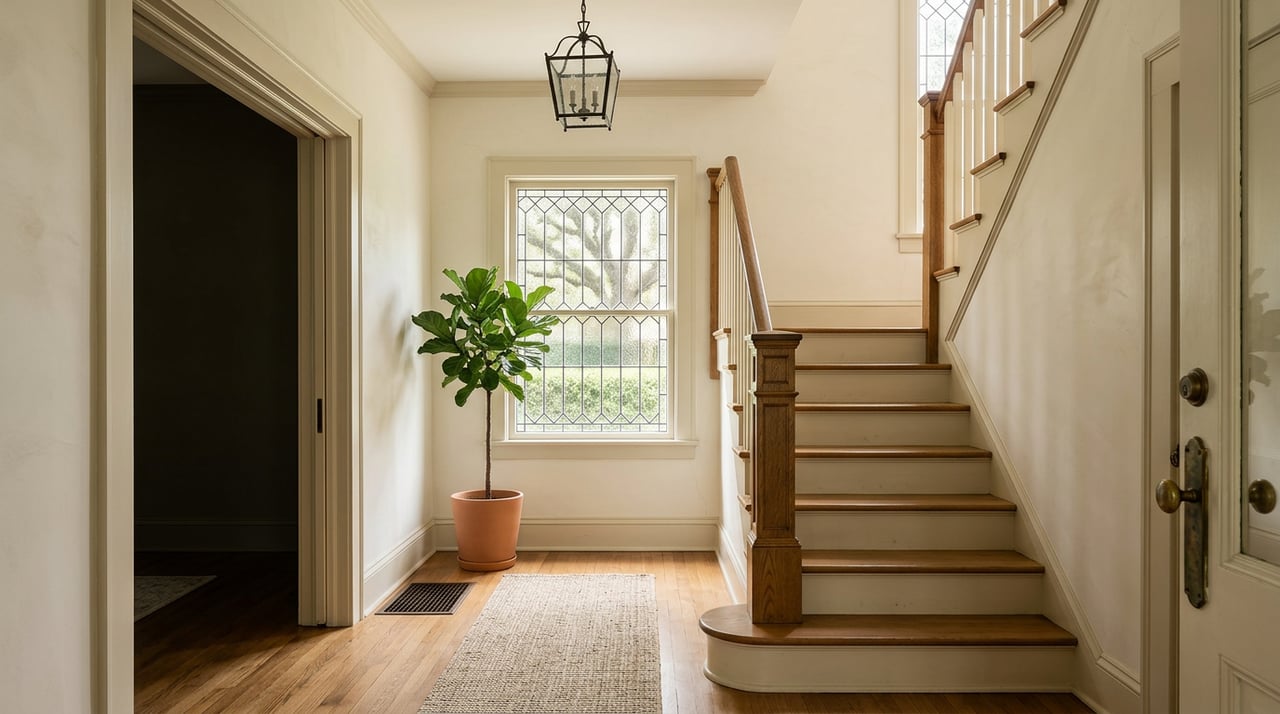
Inside, buyers often fall in love with original woodwork, built-in cabinetry, plaster walls, hardwood floors, multi-pane or leaded-glass windows, and classical columns or detailed porch elements. When planning updates, review the City’s policy guides for windows, porches, and fences to understand what repair or replacement approaches are considered compatible under local guidelines.
What the rules mean for you
Here is the key distinction most buyers need to know. National Register listing is an honor and can help with research and certain federal programs for income-producing properties, but it does not by itself restrict what private owners can do. The NPS tax-incentives overview explains how this works.
Local designation is where design review happens. In Monte Vista, most exterior work that changes what the public sees requires a Certificate of Appropriateness (COA) through the City’s OHP/HDRC. That includes additions, major alterations, and demolition. Paint color is generally not reviewed, but treatment choices that affect historic materials, such as painting previously unpainted masonry, are reviewed. Start with the City’s Monte Vista district page and consult the Historic Design Guidelines before you finalize plans or budgets.
Inspections to prioritize
Older homes in Monte Vista often predate modern building systems, so a thorough inspection plan is essential. Build your due diligence around these areas:
- Foundation and structure. Many homes use pier-and-beam or masonry foundations. Look for settlement, uneven floors, and porch movement. If your general inspector notes notable movement or large cracks, consult a structural engineer.
- Termites and wood-destroying organisms. Bexar County is in a region where subterranean and drywood termites are active. A separate WDI/termite inspection is standard, and annual prevention contracts are common. Texas A&M AgriLife Extension provides regional context in their termite publications.
- Electrical safety. Expect older panels, limited service capacity, ungrounded outlets, or remnants of knob-and-tube or cloth-insulated wiring. Rewiring or service upgrades are common in historic homes flagged by inspectors.
- Plumbing and sewer. Galvanized piping is common in older homes and can restrict flow or leak. A whole-house repipe with modern materials is a frequent upgrade. Always add a sewer camera scope.
- Roof and exterior envelope. Historic roofs may include clay tile or slate, which are higher-cost to repair or replace correctly. Inspect flashing, chimneys, and masonry for repointing needs.
- Lead-based paint. For pre-1978 homes, federal disclosure rules apply. Plan for lead-safe work practices and consider testing where appropriate, as outlined by the EPA’s Title X guidance.
Budgeting for common repairs
Every house is different, but it helps to plan for at least one major system upgrade unless documentation shows recent work. Use these ballpark ranges as a starting point and confirm with 2 to 3 local bids.
- Foundation. In Texas, localized repairs can be in the several-thousand-dollar range, while large-scale stabilization or underpinning can reach the high five figures. See a Texas-focused overview of costs here: foundation repair estimates.
- Electrical. Full rewiring projects can start in the low thousands for smaller, accessible homes and climb to five figures for larger or complex historic houses. Panel and service upgrades add cost.
- Plumbing. Whole-house repipes often range roughly from about 4,000 to 15,000 dollars depending on size, access, and materials.
- Roofs. Asphalt shingle replacements are typically the least costly. Clay tile or natural slate roofs, which appear on higher-style homes in Monte Vista, are significantly more expensive and can reach well into five figures on complex projects.
Remember that the City’s design review may influence material choices and methods for visible exterior elements. Build in contingencies for hidden conditions that can surface during work in older structures.
Incentives that reward good stewardship
If you plan a substantial rehabilitation, San Antonio offers a valuable local incentive for properties within local historic districts. The City’s Substantial Rehabilitation program uses a 30 percent threshold of the BCAD Improvement Homesite Value and offers approved residential projects either a 10-year City-tax freeze or a five-year zero City-tax, followed by five years at 50 percent of City tax. The program applies to the City tax line only. Learn the process and timing on the City’s Substantial Rehabilitation incentive page.
For income-producing properties, the federal 20 percent Historic Rehabilitation Tax Credit can be a powerful tool. Owner-occupied primary residences are not eligible for this federal credit. If you are considering a rental or mixed-use project, start with the NPS guidance on federal credits and coordinate with OHP early.
Smart upgrades that respect history
A practical way to plan work is to follow the Secretary of the Interior’s Standards for Rehabilitation as your guide. These standards favor repair over replacement and encourage compatible new work that does not damage historic materials. The City’s design guidelines also offer policy guides for windows, porches, and sustainability upgrades, such as weatherization and energy retrofits.
- Prioritize in-kind repair of original windows, siding, and trim when feasible. Consider storm windows and targeted air sealing that leave historic fabric intact.
- Coordinate HVAC, electrical, and plumbing improvements with preservation goals. Run new systems in ways that avoid cutting historic plaster or trim when possible.
- Document conditions before, during, and after work, especially if you plan to apply for City incentives or, for income-producing properties, federal credits.
For national best practices, see the Secretary’s Standards for Rehabilitation, and then apply San Antonio’s Historic Design Guidelines locally.
A buyer’s due-diligence checklist
Use this step-by-step list to reduce surprises and protect value.
Before you write an offer or during your option period
- Order a full home inspection and a separate WDI/termite report. In older homes, add a sewer scope and request an electrical evaluation if the system looks dated.
- If your inspector flags movement, consult a structural engineer. Price and timing often hinge on clear structural findings.
- Request maintenance records, permits, and details of previous alterations or repairs. For pre-1978 homes, make sure you receive the required federal lead disclosures.
After inspections, before closing
- Gather itemized estimates for any significant findings. Use them to negotiate repairs, concessions, or escrowed funds as appropriate.
- Confirm whether exterior work will require a COA under the City’s review process, and build the HDRC timeline into your plan.
- If you plan a qualifying rehab, start the City’s Substantial Rehabilitation application early and coordinate with OHP to avoid rework that could affect eligibility. Details are on the City’s incentives page.
How a local advisor helps
Buying a Monte Vista home is equal parts vision and stewardship. You benefit from an agent who knows the City’s review process, has relationships with preservation-minded inspectors and contractors, and can help you weigh character-defining features against modern needs. A calm, design-informed approach can save you time, protect value, and make each decision feel clear and manageable.
If Monte Vista is on your list, let’s talk through your goals, plan the right inspections, and map the path from offer to restoration with confidence. Connect with Krista Boazman to get started.
FAQs
Does Monte Vista’s historic status limit interior renovations?
- Interior work is generally not regulated by the local historic-district review. Exterior changes that affect what the public sees usually require a COA through OHP/HDRC.
How does the National Register affect homeowners in Monte Vista?
- National Register listing does not by itself restrict private owners. Local historic-district rules govern exterior changes, while federal review applies only if federal funds or permits are involved.
Which inspections matter most when buying a historic Monte Vista home?
- A general home inspection, WDI/termite report, sewer scope, electrical safety review, and structural evaluation if movement is suspected are top priorities. Plan for lead-safe practices in pre-1978 homes.
What local incentives can help with renovation costs in Monte Vista?
- San Antonio’s Substantial Rehabilitation program can freeze or reduce the City-property-tax portion after qualifying work that meets the 30 percent threshold and approval steps.
Do I need approval to replace windows or a roof in Monte Vista?
- Yes for most exterior changes that alter appearance. The City reviews visible materials and methods. Repair in kind is generally preferred, so consult OHP and the Historic Design Guidelines early.
What are typical big-ticket costs in historic Monte Vista homes?
- Foundation stabilization can range from several thousand to the high five figures. Full rewires or repipes often reach five figures in larger homes. Tile or slate roof work is among the more costly items.